I scream. You scream. We all scream for knowledge. Take a look at my thoughts. I’m an open book.
Storyteller | Development Producer | Audience Whisperer
Captain’s Blog
-

How Do I Produce a Low-Budget Microdrama?
Microdramas – short-form, vertical episodes – have exploded across TikTok, Reels, and YouTube Shorts since mid-2025. They’re fast, bingeable, and built on real story structure. If you’re a creator, brand, or filmmaker wondering how…
-

What is the Three-Act Structure?
The three-act structure was developed by Aristotle as a means of analyzing dramatic stories. Writers began using it to organize their stories into a beginning, middle, and end. Each act is made of sequences…
-
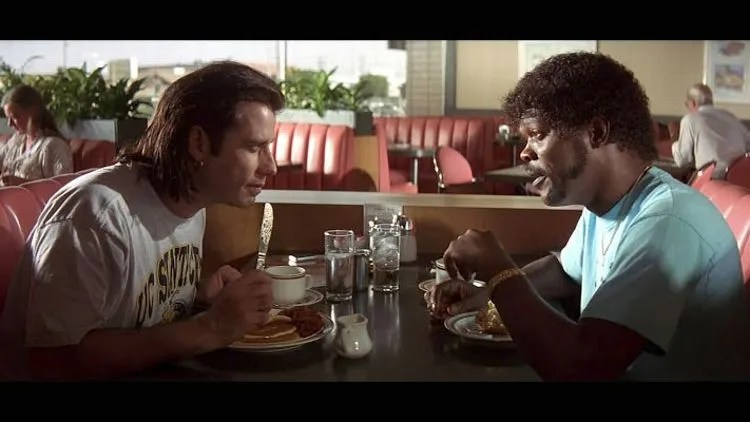
How to Write Realistic Dialogue That Doesn’t Bore Your Audience to Tears
If you’re reading this, you’ve probably stared at your script and wondered, “Why do all my characters sound like their souls are made of cardboard?” You’re not alone. Dialogue is one of the hardest…
-

How to Write a Dystopian Story That Doesn’t Feel Like a Cheap Knockoff
Dystopia is the opposite of utopia—basically, a world so messed up that it makes our current reality seem like a beach vacation. Dystopian stories take the real world, tweak a few knobs until something…
-

How to Write Strong Heroes vs. Villains by Using Obsession as a Tool
Writing unforgettable heroes and villains isn’t just about giving them witty dialogue or a killer wardrobe (though those help). The key lies in their desires—or, more specifically, their obsessions. Let’s dive into what makes…
-

How to Write a Successful Sitcom
Hit television shows are rare. We have eras of “Peak TV” and everyone remembers NBC’s “Must See TV,” but truly having a show that works worldwide and ages well is very difficult. Especially in…
-
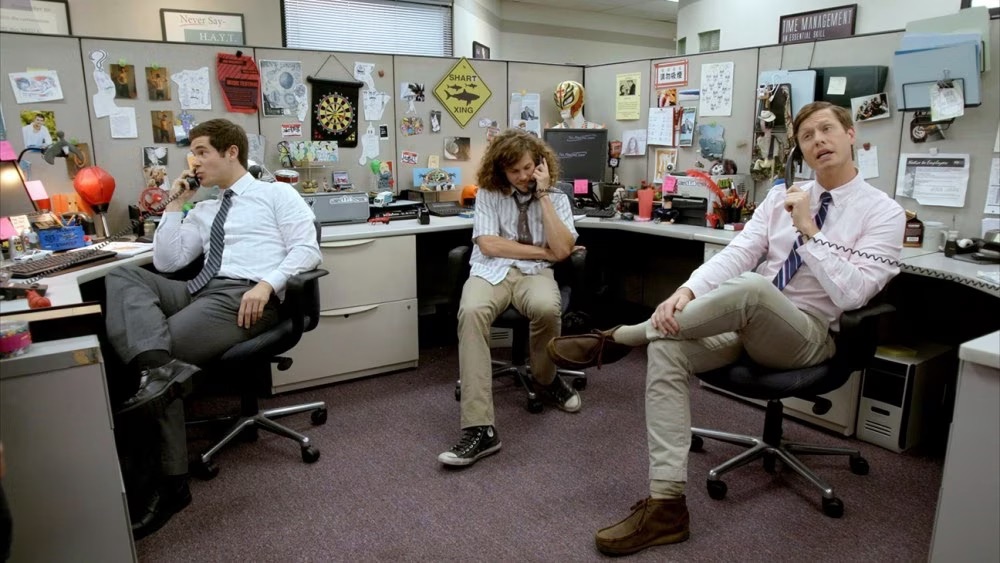
Workplace Comedies: Are They Worth Developing?
When it comes to American television and British television, sitcoms about work are commonplace. In fact, America has adapted a handful of British workplace sitcoms. The most notable, of course, is The Office. Both…
-

Don’t Take “No” For an Answer
Film making, television development, original programming, content creation, whatever you call it, it’s hard. Resiliency in filmmaking is one of the toughest traits to build up. No one is born with it- the innate…
-

Marketing Your Indie Film or Series
Getting the word out about your independent production- whether it’s a film, series, or a different beast altogether- seems so easy up front. What many creatives come to realize is that indie film marketing…
Enter the Zeitgeist
Work With Me to Tell Your Story
The process is simple.
You scream from the rooftops. I scream from the rooftops. You think it’s an echo, but then it keeps going. You realize it’s me responding to your initial rooftop scream. We find each other. We discuss the story you’re trying to tell at a much more reasonable volume. I research your audience and develop your story in a way that helps you connect with your target audience.
If you aren’t a fan of yelling across vast distances or it’s cold outside, we could try carrier pigeons or smoke signals, but emailing might be easier. Actually, yeah. Let’s just go with that.
Not sure you’re “story” material? That’s ridiculous. You’ve started a business or are helping it grow. There are more sane things to do with your time, trust me. Look at the other crazy people in history. Why do we remember them? Because they made a good story.
 Scott Duvall